You Don’t Know What Omakase Means. And That’s The Point.
You Don’t Know What Omakase Means. And That’s The Point.
It’s not just a meal. It’s a surrender.
Everyone has heard the word. Omakase. It’s the latest trend, the ultimate status symbol for “serious” foodies. You’ve been told it means, “I’ll leave it up to you.” A polite, simple transaction. You think you understand it.
You don’t.
You’ve memorised the etiquette, learned the lingo, and still missed the entire point. Omakase isn’t a phrase you say. It’s a challenge you accept. It’s an admission that you’re willing to let go of control completely. And most people are terrified to do that.
The Scene
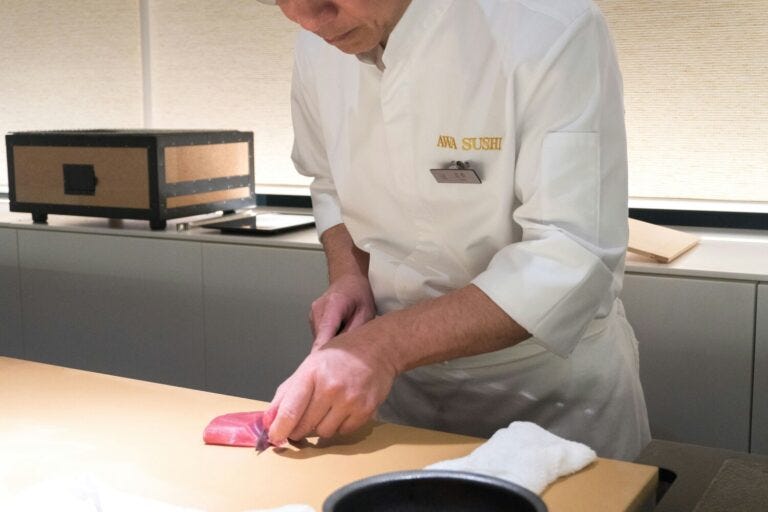
The stage is set. Eight seats. A single counter. The lights are low, the focus absolute. My knives are extensions of my hands, honed by decades of work. The ingredients in front of me are not just “fresh”; they are at the single, fleeting peak of their existence, their stories stretching back to the waters of Japan just hours ago.
This isn’t a restaurant. It’s an arena for a conversation between you, me, and the seasons. It’s a place where the rest of the world and all its noise is supposed to disappear. The air is thick with anticipation. What you’re here for isn’t just a meal.
The Contrast
In a normal restaurant, the menu is your shield. It gives you control. You pick what you know, what feels safe. You get exactly what you ask for, and the experience is predictable, comfortable, and ultimately, forgettable.
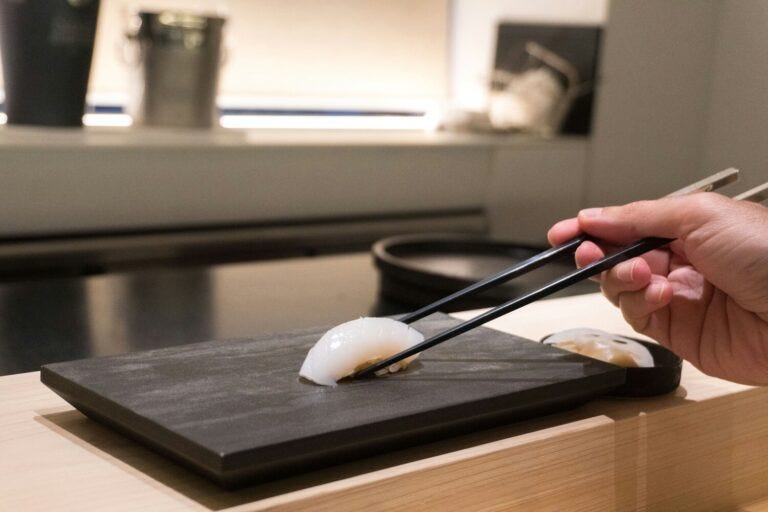
Omakase shatters that shield. There is no menu to hide behind. The control is gone. Suddenly, you’re vulnerable. You’re forced to trust a stranger. You’re forced to be present, to watch, to engage. You’re not just a customer; you’re a participant in a ritual that’s been practised for centuries.
Most dining is about consumption. Omakase is about surrender.
It’s an entirely different state of being. You’re not there to get what you want. You’re there to receive what the chef believes you need.
The Confession
I have to be honest. Some people sit at my counter, and I know they’re just checking a box. They’re here for the Instagram photo, to say they’ve “done” omakase. They’re so worried about following the rules—don’t dip the rice in soy, eat it in one bite—that they become rigid. They become spectators at their own meal.
They’re missing everything.
I’m not interested in your obedience. I’m interested in your attention.
The real disrespect isn’t a breach of etiquette. It’s being mentally absent. It’s scrolling through your phone between courses. It’s failing to notice the subtle shift in temperature from one piece of nigiri to the next. The soul of this experience is in the details, and if you’re not paying attention, you might as well be eating anywhere.
The Takeaway
So, what is omakase, really? It’s a philosophy made tangible. It’s an act of trust. It’s an invitation to step out of your comfort zone and discover something you never would have chosen for yourself. It’s a dialogue without words.
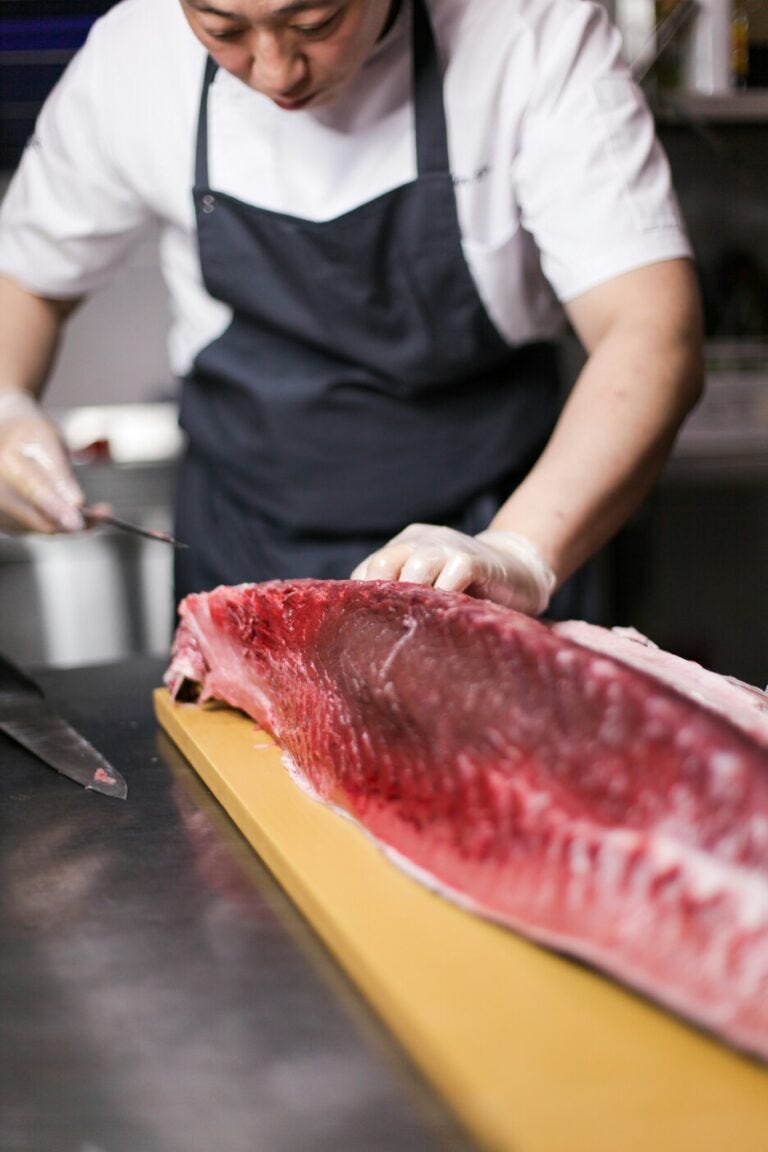
It’s not about the luxury ingredients or the high price tag. It’s about the connection. It’s about acknowledging that the chef’s years of expertise might just lead you somewhere more interesting than your own preferences ever could. It’s about letting go.
The question isn’t whether you can afford omakase. The real question is: are you brave enough for it?
Originally appeared on https://kisetsu.com.sg/


Comments
Post a Comment